

A shaving bowl gives you open room to work shaving soap or cream into lather and dial in the water before the brush touches your face. You do not always need one: plenty of shavers build lather right in the soap tub or on their skin. Where a bowl helps is visibility and control, letting you watch the texture change as you add water. Below are the five steps for bowl lathering, when a bowl makes sense, and what to check when choosing one.
TL;DR: 5 bowl-lathering steps
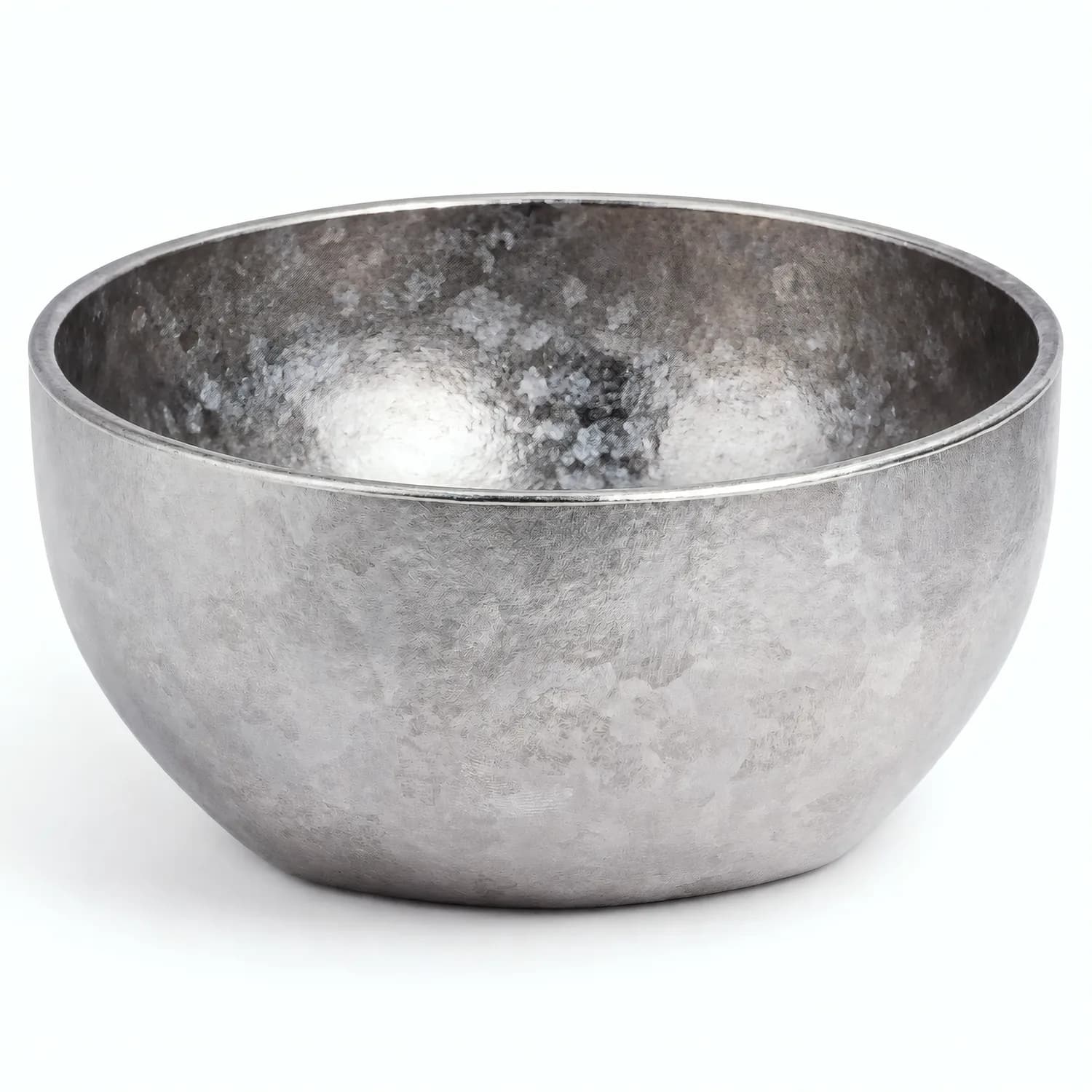
Dampen the brush, load your soap or cream, work it in the bowl with light pressure, add water a few drops at a time and check how the lather spreads. A bowl is optional if your product lathers in its own tub or on the face. When choosing one, pick an opening wide enough for your knot to move freely and a material you can rinse and dry without fuss. A fine textured interior builds lather faster than a smooth wall, and the ORMIXA bowl’s sealed double wall keeps warm-water lather warm through a full shave.
Do you need a shaving bowl?
It depends on what you shave with and how you like to build lather. Proraso’s soap directions, for instance, allow lathering right in the tub, in a separate bowl or directly on the face, so a wide soap container can already do the job. Shaving cream comes in a tube or jar with no room to whip lather inside, which leaves two options: build it on your face or in a bowl. Reach for a bowl when you want space to work water into the soap and check the consistency before putting it on your skin.
Before you start
Check the directions on both your shaving product and your brush. Hard soaps are usually loaded from their own tub first, while creams go straight into the bowl. Proraso suggests loading its soap for 30 to 45 seconds and adding water gradually—a good reference point for that formula, though other soaps and creams vary.
Not every brush needs soaking, and not every soap needs blooming. Synthetic knots can go straight under warm tap water, whereas natural hair and hard pucks depend on the maker’s guidance. Keep the water warm: MÜHLE’s care guide sets 45 °C as the upper limit for its brushes. Let the tips do the work and avoid mashing the knot flat against the bowl.
Five steps for bowl lathering
- Prepare. Check the soap and brush directions. Wet the brush with warm water and shake out the excess.
- Load. For hard soap, swirl the damp brush over the puck until the tips are coated with soap, then move to the bowl. For cream, place a small amount in the bowl as the maker directs.
- Mix. Work the brush across the bowl with light pressure, using back-and-forth strokes that give the fibers room to move.
- Adjust. Add water a few drops at a time, mixing after each addition, until the lather is slick and spreads easily.
- Apply and rinse. Paint the lather onto your skin without scrubbing. After shaving, rinse both the bowl and the brush and leave them out to dry.
Simpson recommends back-and-forth strokes, like a paintbrush, over mashing the knot in circles. Keeping your hand light lets the tips mix air and water into the soap without bending the core fibers flat against the bowl.
Read the lather before adding more water
| What you notice | What to try |
|---|---|
| Dense paste that is hard to spread | Add a few drops of water, mix gently and check again |
| Thin, runny mixture that drips off the brush | Stop adding water. Load a little more soap or cream onto the brush to thicken it, or rinse the bowl and start a smaller batch with less water |
| Lather drying on your face mid-shave | Re-wet or paint on a fresh layer before taking another stroke |
How the lather looks shows whether your water ratio is dialed in, while skin comfort depends on the soap or cream formula itself. If a product stings or burns, rinse it off and stop using it.
How to choose a shaving bowl
How big should a shaving bowl be?
Choose a bowl wide enough for your knot to splay and move without knocking the rim on every stroke. Check the inner opening, not just the outer width. The ORMIXA bowl measures 115 mm across and 55 mm tall, giving a 24 to 26 mm knot—including the 26 mm knot on Harbor—plenty of room to work.
Which material is best for a shaving bowl?
Each material trades weight, drop resistance and upkeep, so match the bowl to your sink setup and how you prefer to clean up.
| Material | What to check |
|---|---|
| Ceramic, porcelain or stone | Heavy and planted on the counter, though it can chip or crack if dropped on a hard sink. Check that the interior glaze is intact. |
| Wood | Look for a water-sealed finish and let it dry completely between shaves. |
| Stainless steel | Will not chip or crack. Check the surface finish and the maker’s care directions. |
| Titanium | Will not chip or rust, and stays light in the hand. The ORMIXA bowl is TA2 titanium at 93 g; its fine crystalline interior is brought out by heat in the titanium itself, with no coating to peel or flake. |
| Plastic | Light and shatter-resistant, though the surface can scratch over time. |
Texture and a double wall
Beyond the base material, two construction details shape how a bowl performs. A fine textured interior gives the brush tips something to catch, building lather faster than a glass-smooth wall where wet bristles tend to skate. A sealed double wall slows heat transfer, keeping warm-water lather comfortable longer than a single thin wall. On the ORMIXA bowl, the heat-grown crystalline relief provides that grip without wearing on the bristles, while the double wall holds warmth through a full shave.
Shaving bowl vs mug
A shaving mug is usually taller and narrower, built to hold a hard soap puck at the bottom so you can load the brush inside it. A lather bowl is wider and shallower, giving the knot room to spread while you whip soap or cream into foam. Pick a mug if you want a permanent home for a soap puck; pick a bowl if you want open space to mix.
Other checks before you buy
| Check | What to look for |
|---|---|
| Grip and support | Decide whether you hold the bowl in your hand or rest it on the counter while mixing, and check that the outer shape and weight suit that habit. |
| Cleaning access | Look for an interior that rinses clean under running water without trapping dried soap in deep corners, and follow any finish-specific care directions. |
| Wall height | Look for a wall tall enough to keep lather inside the rim while leaving room for your hand to work the brush. |
| Storage | Compare the outer diameter and height against your shelf or travel bag, and leave both the bowl and brush room to dry before putting them away. |
Bowl, soap tub or scuttle?
A soap tub stores the puck and lets you load the brush, while a separate lather bowl gives you empty room to mix and add water. A traditional scuttle adds a hot-water reservoir that you fill before shaving; always check the specific model before pouring water into any opening.
The ORMIXA titanium bowl uses a permanently sealed double wall with no water chamber to fill or drain. The sealed gap between the titanium walls insulates on its own, keeping lather built with warm tap water warm for the length of a shave.
How to clean a shaving bowl
Rinse the bowl with warm water right after you shave, before leftover lather dries on the wall, then wipe it dry or leave it out to air-dry. Follow any care notes for your bowl’s material. The ORMIXA titanium bowl needs only a warm rinse and a wipe; if hard-water spots build up over time, wipe the surface with diluted white vinegar and rinse clean. Keep vinegar and dish soap away from your brush—MÜHLE’s care guide specifically rules out detergents and vinegar on brush fibers.
Finish by caring for the brush
Rinse the brush under clear warm water until no soap remains at the center of the knot, flick out the excess water and stand or hang it somewhere with open airflow. Simpson notes that a brush left damp between shaves can develop mildew. Because makers such as MÜHLE and Simpson differ on details like hanging versus standing, follow the care guide for your own brush.
Harbor is offered with both Two Band Badger and synthetic knots—see the current Harbor configurations and the badger vs. synthetic guide. Care always follows the knot you chose: a titanium or aluminum handle shrugs off hot tap water, whereas the bristles and the adhesive setting the knot still need warm water.
Sources
- Proraso: Shaving soap directions and lather FAQ
- MÜHLE: Caring for your products
- Simpson: Brush use and maintenance
Disclosure
Written by ORMIXA, which sells shaving tools. Product links lead to our own catalog. This guide does not report a controlled product trial.
ORMIXA products are sold by ECE Innovate Homes LLC and manufactured by Guangzhou Yanyang Technology Co., Ltd. under trademark license.
Frequently asked questions
- Do I need a shaving bowl?
- Not for every product. Many soaps lather right in their own tub, and cream can be worked directly on the face. A bowl is useful when you want open room to see the lather and dial in the water before it touches your skin.
- Do I need a bowl for shaving cream?
- No, you can lather cream on a wet face. Using a bowl just gives you a place to work the cream into the bristles and check the consistency before applying it.
- How big should a shaving bowl be?
- Look for an opening wide enough that your brush knot can spread without tapping the rim on every stroke. At 115 mm across and 55 mm tall, the ORMIXA bowl comfortably fits a 24 to 26 mm knot.
- What is the best material for a shaving bowl?
- It depends on your bathroom setup and how you clean up. Ceramic and stone feel substantial, though they can chip if dropped in a sink; wood needs to dry completely between shaves; metal will not chip or crack. Inside the bowl, a fine textured surface builds lather faster than a glass-smooth wall.
- Does a double-wall bowl keep lather warm?
- Yes. The sealed gap between the two walls slows heat loss compared with a single-wall bowl. In the ORMIXA bowl, lather built with warm water stays warm through a full shave.
- Can I use a mug instead of a shaving bowl?
- Yes. A shaving mug is typically taller and narrower to hold a soap puck at the bottom for loading. A wider, shallower bowl gives the brush more room when you whip lather inside it.
- How do I clean a shaving bowl?
- Rinse it with warm water right after shaving before the leftover lather dries, then wipe or air-dry it according to the material’s care guide. For the ORMIXA titanium bowl, a warm rinse and quick wipe are enough, with diluted white vinegar for occasional hard-water spots.
- Should I leave shaving soap in the bowl?
- If you keep a hard puck in a dedicated bowl for loading, let the soap dry uncovered between shaves. If you use the bowl to whip lather, rinse it clean after every shave.
- How much water should I add?
- There is no fixed measurement because formulas vary. Start with a damp brush, follow the soap or cream directions, and add water a few drops at a time until the lather spreads smoothly.
- Can I fill the ORMIXA double wall with water?
- No. Unlike a traditional scuttle with a hot-water reservoir, the ORMIXA bowl has a permanently sealed double wall with nothing to fill or drain.